
Introduction
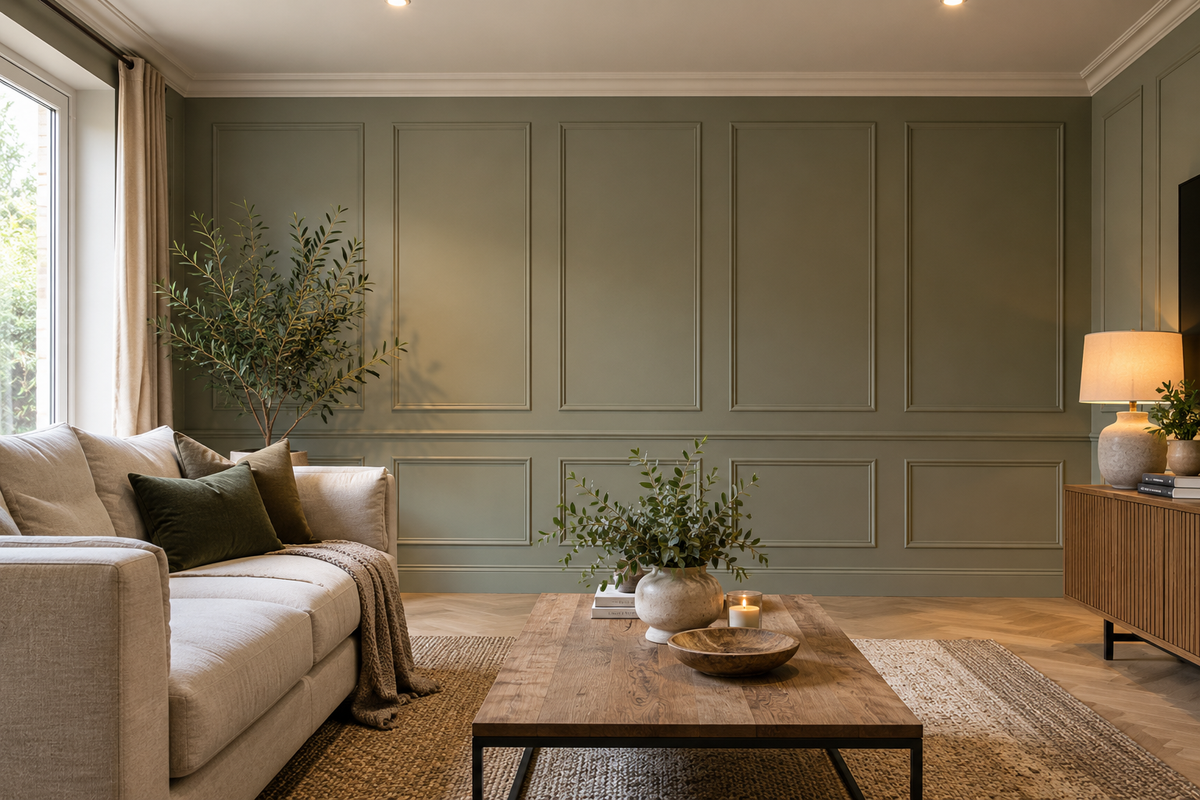
Wall panelling is no longer limited to period properties and high-end interiors.
Over the past several years, it has become one of the most requested finishing features across residential developments, renovations and bespoke fit-out projects. What was once considered a specialist design element is now regularly incorporated into bedrooms, hallways, living spaces and commercial interiors.
For manufacturers, this shift has created growing demand for MDF-based panelling solutions that combine design flexibility with efficient production and installation.

Why MDF Has Become the Material of Choice
Several materials can be used to create wall panelling systems, but MDF has become the preferred option for most painted applications, with MDF wall panelling strips providing a flexible solution for creating everything from framed designs to full-height feature walls.
Consistency is a major factor.
Unlike natural timber, MDF provides a uniform substrate that machines cleanly and produces predictable results during manufacturing. Installers benefit from easier handling, while decorators achieve a smoother final finish.
For projects requiring repeatability across multiple rooms or properties, these advantages become increasingly important.

Demand Is Being Driven by Simplicity
One of the biggest reasons for the growth of wall panelling is accessibility.
Homeowners are increasingly looking for ways to add architectural detail without undertaking major structural alterations. Wall panelling offers a relatively straightforward solution that can dramatically change the appearance of a room without significant disruption.
For developers, it provides a cost-effective method of creating visual differentiation within competitive housing markets.
The Most Common Applications
Trade demand tends to concentrate around several key areas.
Hallways remain popular because panelling introduces character to otherwise functional spaces.
Bedrooms frequently incorporate panelling behind beds to create focal points.

Living rooms benefit from feature walls that add depth and visual structure.
Home offices have also become an increasingly important category as homeowners continue investing in dedicated workspaces.
Manufacturing Considerations
As demand increases, manufacturing quality becomes increasingly important.
Panel dimensions, machining accuracy and consistency all influence installation efficiency. Poorly manufactured components quickly become apparent once layouts are installed across large wall areas.
Manufacturers supplying wall panelling systems must therefore prioritise repeatability and dimensional accuracy throughout production.
Installation Efficiency Matters
While wall panelling delivers visual impact, project success often depends on installation speed.

Trade customers generally favour systems that simplify layout planning, reduce cutting requirements and minimise time spent correcting inconsistencies on site.
The easier a panelling system is to install, the more attractive it becomes to contractors managing multiple projects simultaneously.
Market Outlook
Current demand suggests wall panelling is moving beyond trend status.
Rather than being viewed as a temporary design fashion, it is increasingly becoming a standard interior feature across both traditional and contemporary projects.
As homeowners continue seeking greater character within modern interiors, demand for MDF wall panelling is expected to remain strong across multiple sectors.
Conclusion
The growth of MDF wall panelling reflects broader changes within residential design.
Clients increasingly want interiors that feel bespoke, detailed and carefully considered. MDF provides manufacturers, installers and developers with a practical way of meeting those expectations while maintaining production efficiency and installation reliability.
For trade professionals, wall panelling is no longer an emerging category. It is an established part of the modern interior finishing market.